


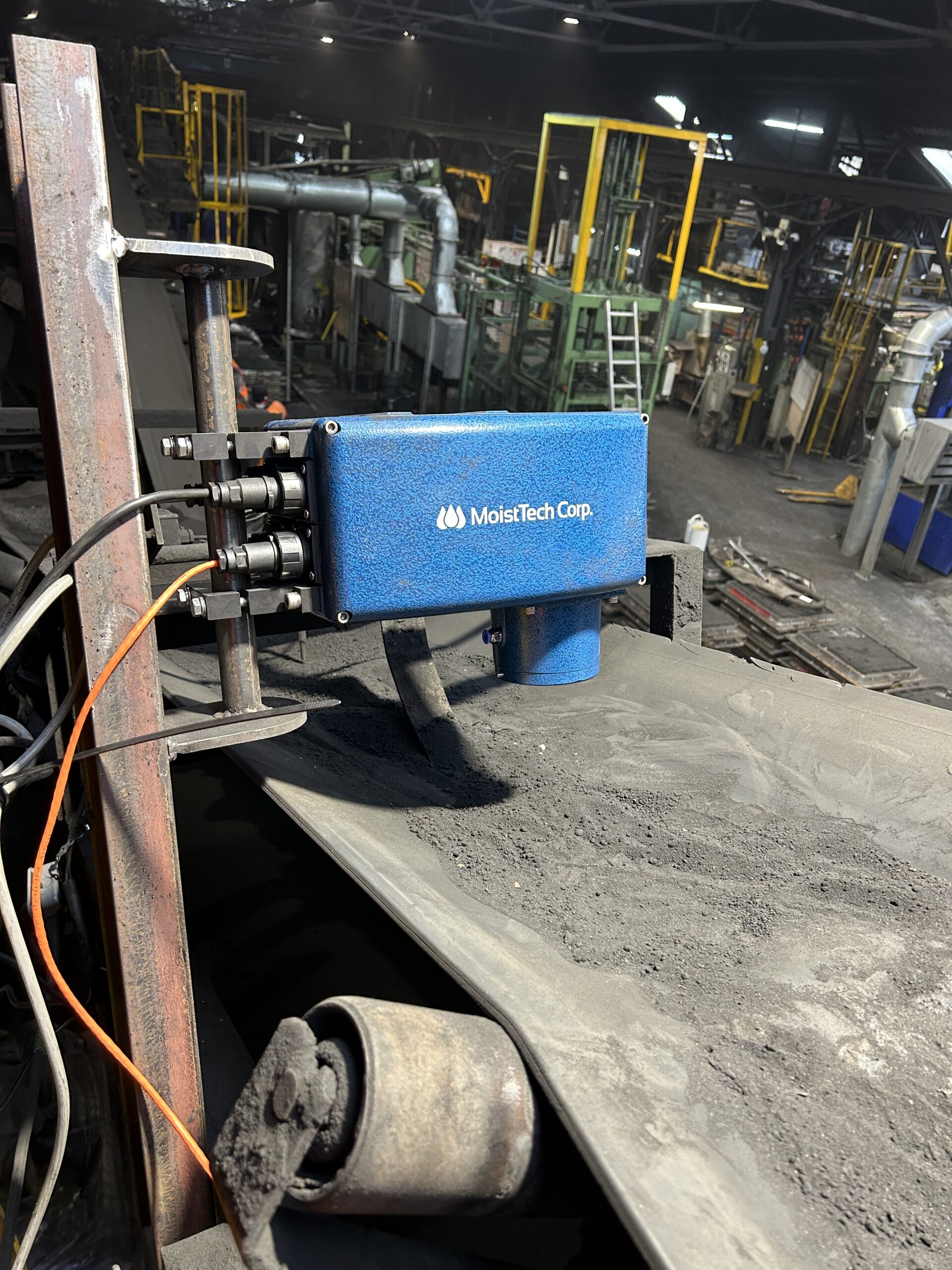
| Discover how real-time aggregate moisture measurement helps reduce material buildup, optimize drying, improve handling and maintain consistent quality. |
Rain, stockpile exposure and washing can all change the moisture content of aggregates including sand and crushed limestone. For producers, those changes can mean more than wetter material. They can affect screening, material flow, drying demands and finished-product consistency, making it harder to keep production on target.
The challenge is recognizing those changes while there is still time to respond. Fixed dryer settings or periodic moisture checks may not reflect the material moving through the plant right now. Visibility into current conditions helps operators make adjustments before moisture variation becomes a larger production problem.
Too Wet or Too Dry: Both Can Create Problems
Excess moisture can cause material to clump, clog screens and accumulate on conveyors and processing equipment. It also increases the moisture load that dryers must handle, affecting fuel demand and process efficiency.
But drying more is not always the answer. Over-drying can increase dust, material loss and unnecessary energy consumption. The goal is to maintain the intended moisture level so material moves reliably through production and consistently meets final requirements.
Turn Moisture Data Into Better Decisions
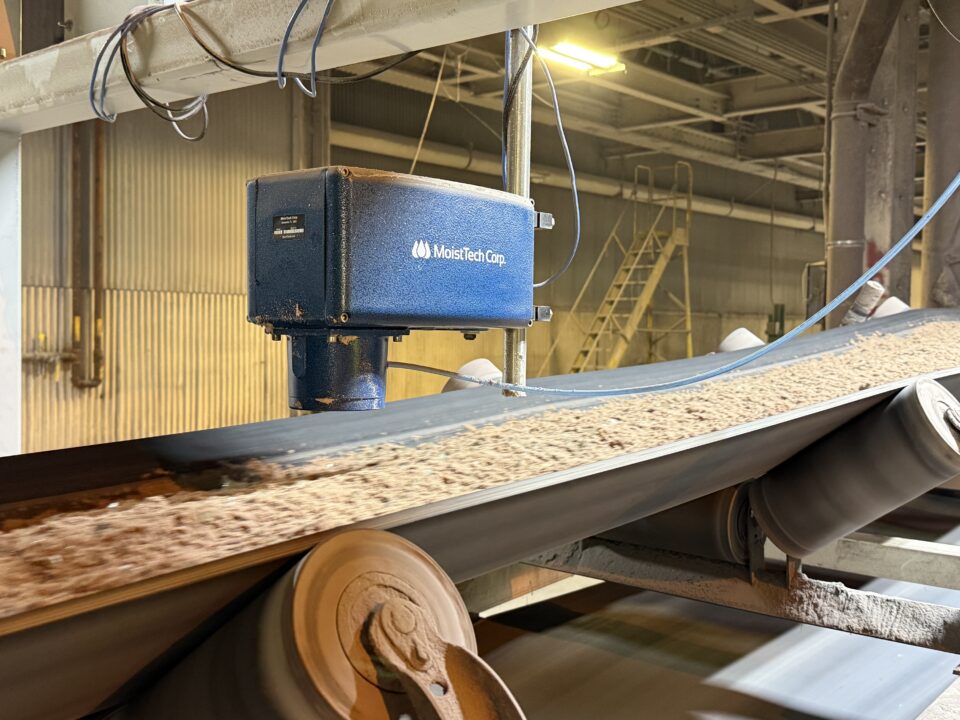
MoistTech’s IR-3000 uses non-contact near-infrared (NIR) technology to provide continuous, real-time moisture measurement directly on the production line. Pre-calibrated using customer samples and designed not to drift, the sensor delivers accurate, repeatable readings that help operators respond to changing material conditions rather than relying solely on fixed equipment settings or periodic testing. For aggregate producers, that information supports several practical goals:
- Improve material handling by identifying moisture changes that can contribute to clumping, buildup and screening problems.
- Optimize dryer operation by basing adjustments on the moisture actually entering and leaving the dryer.
- Support finished-product consistency by verifying moisture before storage, loadout or downstream use.
Get the Right Information at the Right Point
Measurement locations can include stockpile conveyors, post-wash lines, dryer inlets and outlets, screening lines and final conveyors. The most useful locations are those where moisture information can guide an adjustment or verify material condition. The ideal measurement point depends on material flow, product coverage and where the readings can provide the most useful process feedback.
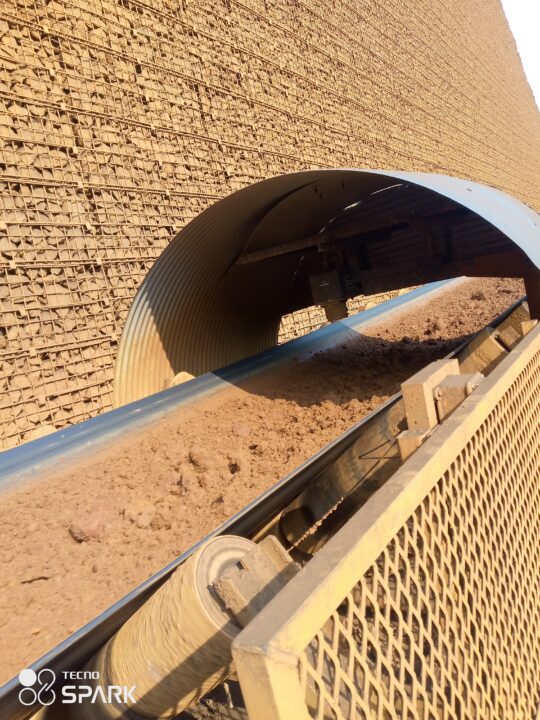
Before drying, measurement helps establish how much moisture the dryer needs to remove. After drying, it helps confirm whether the material has reached its target. Together, these readings support more informed adjustments as incoming conditions change. When integrated with plant controls, continuous data can also support automatic dryer adjustments.
For sand producers supplying concrete manufacturers, accurate moisture information can also help customers account for variations in aggregate moisture that affect batch-water requirements, water-to-cement ratio and mix consistency.
Keep Material Moving with Greater Confidence
With continuous moisture measurement at key process points, aggregate operations can support reliable material flow, avoid unnecessary drying and maintain more consistent finished material from stockpile to specification.
Contact MoistTech
Directly: info@moisttech.com or 941-727-1800